 OmiGet the app
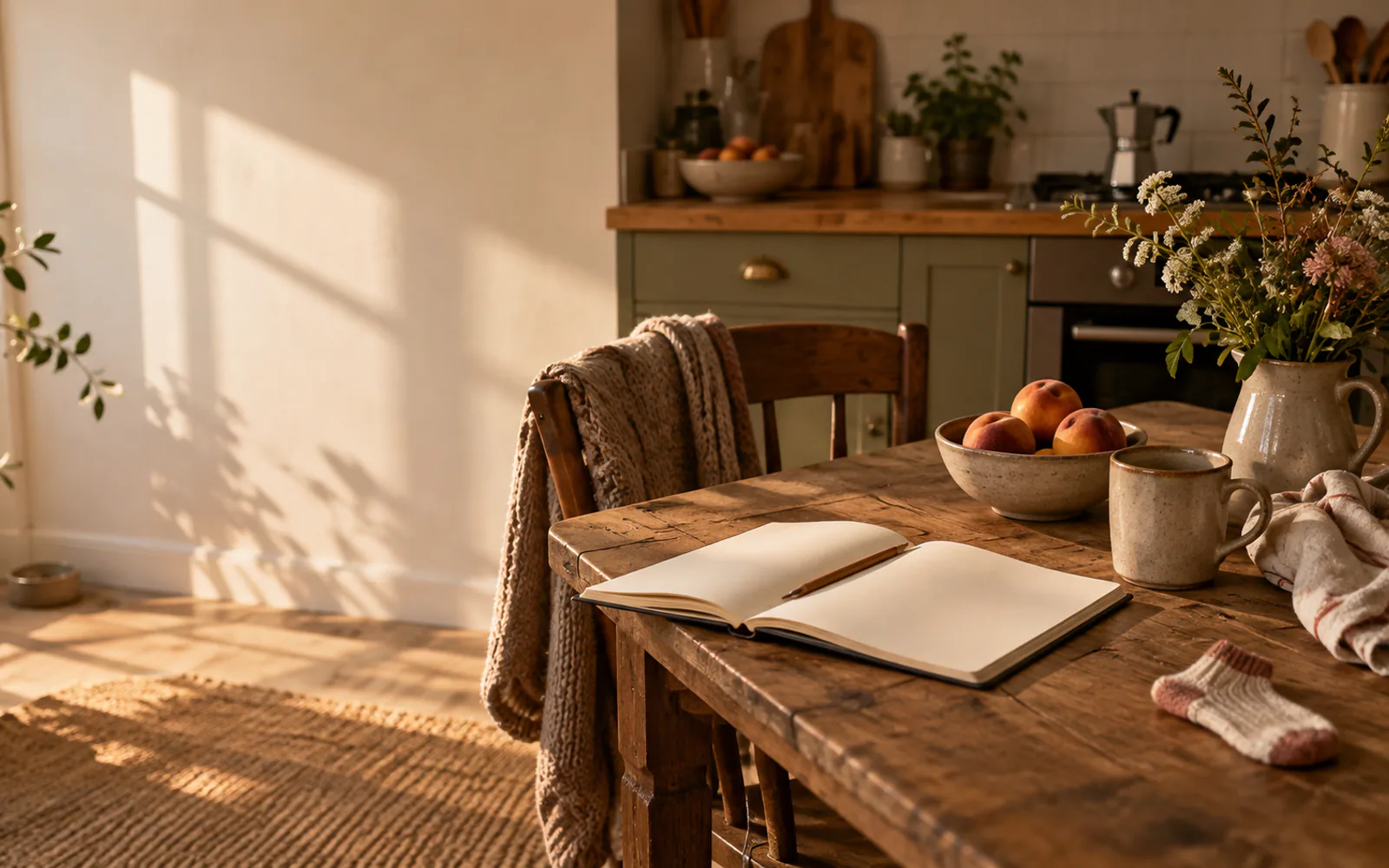
The sketchbook is open, but you're still deciding whether the idea is worth a page. You pick up a pencil, put it down, and look for a better starting point.
These sacral chakra affirmations offer words for that small pause. This collection stays with creative choices and ordinary enjoyment: choosing a material, trying something, noticing your response, and deciding whether to continue.
You can use the chakra theme as a spiritual symbol that matters to you, or simply treat the words as prompts for reflection. Nothing here requires a special sensation, a particular mood, or a finished piece.
What this sacral chakra practice asks of you
In contemporary chakra practices, the sacral chakra is associated with creativity, enjoyment and feelings. People use affirmations for sacral chakra reflection to name what they would like to pay attention to in those areas.
There's no scientific evidence for chakra energy mechanisms or for affirmations opening, balancing or unblocking an energy center. The practice here is intention-setting: choose words, consider what they mean to you, then decide on an ordinary action.
For example, you might use a sentence about curiosity as a reminder to test a color combination. The paint on the page gives you something to respond to. The sentence does not have to produce inspiration before you begin.
You also get to decide that this framework isn't useful today. For a broader starting point, our daily affirmations cover everyday decisions without a chakra theme.
Affirmations for sacral chakra reflection before choosing
You have a free corner of the table and several possible activities. Choose something you can actually try with the time and materials available. The point is to make a choice small enough to explore, rather than decide what kind of creative person you are.
Read a line while looking at the actual options: a notebook, scraps of fabric, a musical instrument, or an unfinished project. Let your preference count alongside practical limits.
With the materials in front of you
I can choose the material that interests me this afternoon.
My pencil can follow a question before it outlines an answer.
I have room to test a color I rarely choose.
I can open my notebook without announcing a new project.
My interest in this texture is enough to examine it.
I can choose a modest idea that fits my available time.
I notice which part of this activity draws my attention.
I can begin with the supplies already on my table.
My next creative choice can be small enough to try.
While the experiment is still taking shape
A trial can stay a trial. You might test a stitch on spare fabric, hum a melody into a recording, or move a paragraph to see what changes. Give yourself a specific question to explore instead of requiring the whole thing to become good.
If you start comparing this attempt with someone else's finished work, return to the material. Is the paper too thin for the paint? Does the sentence need a different verb? These are decisions you can work with.
During an unfinished attempt
I can test this stitch on a scrap first.
My rough version gives me something concrete to adjust.
I can try a different tool before abandoning this idea.
I am experimenting with this shape, not defining my style.
My unfinished recording can hold a melody worth revisiting.
I can notice an interesting accident without calling it a mistake.
I give this draft enough space to surprise me.
I can change the scale when the original plan feels unwieldy.
Keep a sample if it tells you something useful, even if you dislike the result. A swatch, sentence or short recording can record the experiment without becoming a commitment to finish it.
Use 'I feel' sacral chakra affirmations to notice preferences
The phrase 'I feel' appears often in sacral chakra affirmations. It can also be an invitation to check what is actually present. You don't need to describe yourself as joyful or inspired if the honest answer is that you prefer the quieter color.
A preference is information, not an instruction you have to follow. You can enjoy a beautiful object without buying it, admire a technique without learning it, or like an idea that doesn't fit your current project.
When you're finding your own response
I can name the detail I enjoy without praising everything.
My preference can differ from the example in the tutorial.
I feel curious about which version I want to keep.
I can appreciate a color without finding a use for it.
My enjoyment of making can stay separate from sharing the result.
I can listen again before deciding how this music feels.
I notice when my choice comes from interest rather than imitation.
I can enjoy this activity without adopting it as an identity.
I can let my own preference appear before asking for opinions.
When you decide to keep, change or put something away
There is a practical decision at the end of a creative session: what happens to the materials now? You can leave a short note for next time, save a promising piece, or put everything away. Continuing is an option, not a verdict on whether the session counted.
Notice what you want to carry forward. Perhaps it is a particular combination of colors or the discovery that you prefer drawing outdoors. You don't need a lesson from every attempt, but you can keep one when it is there.
As you finish for now
I can save the detail I like and set the rest aside.
My notes can tell me where to begin next time.
I can put this project away without deciding its permanent fate.
I am allowed to prefer the experiment to the finished version.
I can return borrowed supplies without promising another session.
My shelf has room for work that stays private.
I can end here while I still have questions.
I can choose a different activity when this one no longer interests me.
Make the words part of a small, optional ritual
Choose a line for the decision in front of you. Read it once, then look away from the list and identify an action that matches it. You might pull out a scrap, play back a recording, or write a note about what to change.
Edit any sentence that asks you to claim a feeling you don't have. Our guide to how to write an affirmation that feels true offers a way to narrow the wording to your circumstances.
You can write the line beside your project notes or read it silently before beginning. These are optional formats for this exercise, not requirements for a result. Stop using a line if it starts to feel like another instruction about how much you ought to create or enjoy.
If the chakra theme belongs to your own reflection practice, keep the meaning you personally give it separate from claims about what happened. You can record a chosen action or a noticed preference without deciding that an energy center has changed.
For a symbolic focus on ordinary supports, read root chakra affirmations. Manifestation affirmations separate a creative intention from its available actions and hoped-for results.
Questions
What does the sacral chakra represent?
In contemporary chakra practices, it is associated with themes including creativity, enjoyment and feelings. This page uses those associations as prompts for reflection, without treating them as a physical mechanism.
What are 'I feel' sacral chakra affirmations?
They are statements that begin with 'I feel' and are used within a sacral chakra reflection practice. Choose an honest description of what you notice, and use another opening if the sentence would require you to claim an emotion you don't have.
What are second chakra affirmations?
Second chakra affirmations are another name used for sacral chakra affirmations. The wording can focus on creative expression or preferences; there is no mandatory opening or repetition count for the optional exercise on this page.